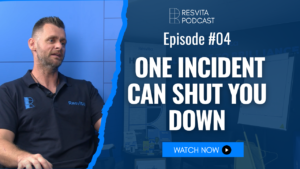
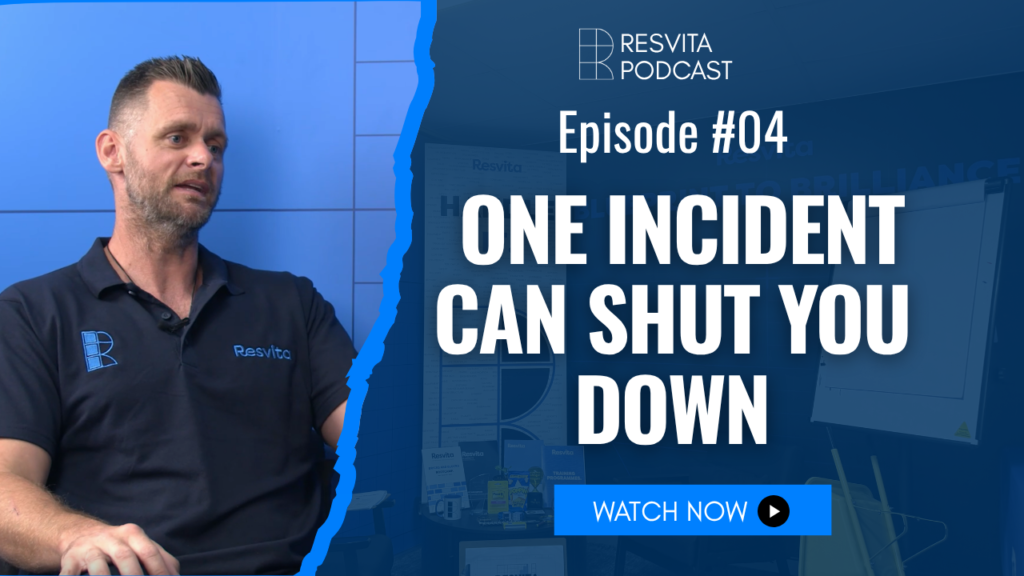
This episode emphasizes how a single incident at work can halt a trade business. It advocates for straightforward and organized risk-management systems.
Most tradies are focused on getting the job done. Whether you’re sole trading, running a sole trading business, or growing a trade business, the day-to-day can be relentless.
You’re managing projects, keeping clients happy, organising materials, and making sure the team delivers quality work. Day-to-day, the priority is simple — keep things moving.
But there’s a reality many trade business owners don’t think about until it’s too late:
One incident can shut your business down.
In this podcast episode, we explore an important topic that frequently goes unnoticed — risk management for tradespeople. We discuss why having appropriate systems is essential for anyone aiming to develop a sustainable construction business.
Getting practical support from a trade coach or engaging in business coaching for trades can help you adopt these systems more quickly and with greater confidence.
Because it’s not always the big mistakes that cause problems.
In business and trade activities, being clear and consistent is important. This talk is about construction work, not about the stock or share trading business.
Sometimes, it’s a single incident that triggers a chain reaction.
If you are interested in exploring risk management for tradespeople and understanding how straightforward systems can prevent expensive accidents, check out the entire podcast episode. Listen to the episode
Why Most Tradies Don’t Think About Risk
In the early stages of running a trade business, survival and growth take priority.
You’re chasing work, managing cashflow, and trying to stay ahead. Risk management often feels like something for bigger companies or corporate environments.
However, the construction industry carries inherent risk every single day.
No matter your business structure—be it following government guidelines for sole traders, functioning as a limited cost trader for tax reasons, or using a non-trading company to hold assets—on-site risks and duty of care do not change.
Jobsites involve people, equipment, timelines, and compliance requirements. Even with the best intentions, things can go wrong.
Many tradies rely on experience and instinct rather than structured systems.
That approach works — until it doesn’t.
The Reality: One Incident Can Change Everything
The core message from the episode is simple but powerful.
It only takes one incident to create serious consequences.
That incident could be:
- A workplace injury
- A compliance breach
- Property damage on site
- A contractual dispute
- A major safety oversight
Any of these situations can lead to financial loss, legal complications, or reputational damage.
For some businesses, it can mean shutting down completely.
This is why risk management for tradies is not just about safety — it’s about protecting the entire business.
The Real Problem: No Structured Risk Systems
Most issues don’t happen because tradies don’t care.
They happen because systems are inconsistent or unclear.
Without proper construction business risk management systems, businesses often rely on memory, verbal instructions, or informal processes.
Important steps get missed. Communication breaks down. Accountability becomes unclear.
Over time, this creates gaps where incidents are more likely to occur.
A structured approach helps close those gaps.
What Risk Management Actually Looks Like in a Trade Business
Risk management doesn’t need to be complicated.
In fact, the most effective systems are often simple, clear, and repeatable.
A strong approach to risk management for tradies includes:
- Clear safety procedures on every job
- Defined roles and responsibilities for the team
- Consistent communication processes
- Regular checks and documentation
- Proper job planning before work begins
These systems create a safer, more predictable working environment.
Instead of relying on chance, the business operates with intention.
Want structured guidance to protect your business from preventable incidents? Explore our Programmes designed to build risk management systems, improve team accountability, and strengthen your trade business through trade business coaching, business coaching for tradesmen, and business coaching for trades.
How Risk Management Protects Your Business
When tradies implement simple risk systems, the benefits go far beyond compliance.
Here are three key ways it protects the business.
1. Protects Your Cashflow
Incidents can be expensive.
Medical costs, legal fees, project delays, and rework can quickly impact cashflow. Even a single event can disrupt multiple jobs at once.
Strong systems reduce the likelihood of these disruptions.
2. Protects Your Reputation
Reputation is everything in the construction industry.
Clients trust businesses that operate professionally and safely. A single incident can damage that trust and affect future opportunities.
Consistent systems help maintain a strong and reliable reputation.
3. Protects Your Team and Business Longevity
Your team is one of your most valuable assets.
Creating a safe and structured work environment improves morale, performance, and long-term retention.
More importantly, it ensures the business can continue operating without major setbacks.
Curious how we help tradies prevent incidents before they happen? Visit About Us to learn how Resvita helps trade businesses run safely, smoothly, and confidently. Our approach blends proven systems with trades business mentoring to support sustainable growth.
The Benefits of Building Risk Systems Early
Many tradies wait until something goes wrong before improving their systems.
However, building risk management systems for tradies early creates a much stronger foundation.
Benefits include:
- Reduced likelihood of incidents
- More consistent job delivery
- Greater control over operations
- Improved confidence when scaling the business
- Stronger overall business structure
Think of it like insurance for your operations.
You don’t need it — until you really need it.
Signs Your Business May Be Exposed to Risk
Not sure whether your business has gaps in its systems?
These warning signs often indicate increased risk exposure:
- Safety processes vary between jobs
- Communication relies heavily on verbal instructions
- There’s little documentation of procedures
- Team members are unclear on responsibilities
- Issues are handled reactively rather than proactively
If any of these sound familiar, it may be time to review your systems.
What Tradies Can Do Next
Improving risk management doesn’t require a complete overhaul overnight.
Small, consistent changes can make a significant difference.
Start with these steps:
Document your key processes
Write down how jobs should be completed safely and consistently.
Create simple checklists
Checklists help ensure important steps aren’t missed.
Improve communication systems
Make sure everyone knows what’s expected on each job.
Review jobs regularly
Identify what went well and what needs improvement.
These actions build the foundation for stronger, more reliable operations.
Looking for tools to reduce mistakes and keep your team safe on every job? Check out our Resources for templates, checklists, and guides that make implementing risk systems simple.
Final Thoughts
Running a trade business comes with enough challenges already.
The last thing any tradie wants is to face a situation that could have been prevented with better systems.
The reality is simple:
One incident can shut you down.
That’s why risk management for tradies isn’t just about compliance — it’s about protecting everything you’ve worked hard to build.
The right systems create safety, stability, and confidence as your business grows.
If this subject interests you, the complete podcast episode explores how tradespeople can apply straightforward risk management strategies to improve their business.
Because the strongest trade businesses aren’t just built on skill.
They’re built on systems that protect them.
It’s about building a trade business that keeps running safely and efficiently, even when you’re not on site every day. If you’d like more strategies on risk management and simple systems to protect your business, explore our Community to connect with other tradie business owners for trades business mentoring and build a safer, more structured, and profitable business.
Q&A
Question: What do you mean by “one incident can shut your business down”?
Short answer: In construction, a single event—like a workplace injury, compliance breach, property damage, contractual dispute, or major safety oversight—can trigger a chain reaction of medical costs, legal issues, delays, rework, and reputational damage. The financial and operational fallout can disrupt multiple jobs at once and, for some businesses, force a complete shutdown. That’s why risk management isn’t just about safety; it protects your entire business.
Question: Isn’t risk management only for bigger companies or dependent on my business structure?
Short answer: No. The construction industry carries daily, inherent risk regardless of whether you’re a sole trader, operating as a limited cost trader for tax, or using a non-trading company to hold assets. Your on-site duty of care doesn’t change with structure. Simple, structured systems are essential for every trade business, large or small.
Question: What does a simple, effective risk management system look like for tradies?
Short answer: Keep it clear and repeatable. Core components include:
- Clear safety procedures for every job
- Defined roles and responsibilities
- Consistent communication processes
- Regular checks with documentation
- Proper job planning before work begins These close gaps caused by memory or verbal-only instructions and create a safer, more predictable operation.
Question: How do these systems protect cashflow, reputation, and my team?
Short answer:
- Cashflow: Prevents costly incidents that lead to medical/legal expenses, delays, and rework.
- Reputation: Demonstrates professionalism and safety, preserving client trust and future opportunities.
- Team and longevity: Improves morale, performance, and retention, helping the business keep operating without major setbacks—especially as you scale.
Question: How can I tell if we’re exposed—and what should I do first?
Short answer: Red flags include variable safety processes across jobs, heavy reliance on verbal instructions, limited documentation, unclear responsibilities, and reactive firefighting. Start by documenting key processes, creating simple checklists, improving communication so expectations are clear on every job, and reviewing jobs regularly to learn and improve. For practical help, listen to the podcast episode and explore Resvita’s Programmes, Resources, and Community for templates, coaching, and guided implementation.