You’ve visited the site, discussed the customer’s needs, taken measurements and prepared a detailed quote. However, after sending it off, you hear nothing back.
A few days pass, and another business wins the job. Naturally, you start wondering whether your price was too high.
Sound familiar?
For many Australian tradies, learning how to win more quotes isn’t just about charging less. Instead, it’s about showing customers the value of your work, communicating clearly and following up at the right time.
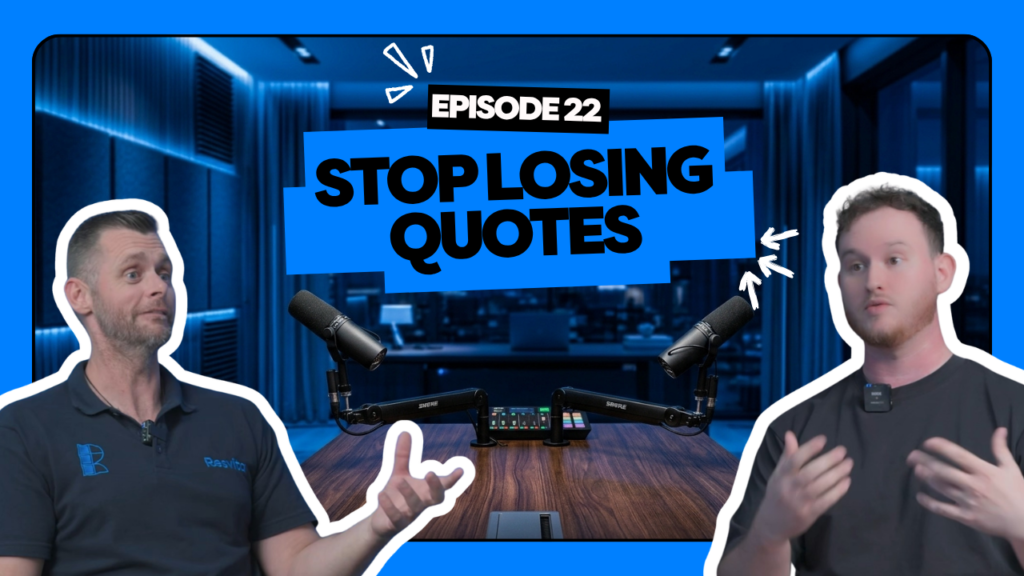
In this episode of the Handle It Podcast, Josh from Resvita explores how personalised videos and structured follow-up systems can help trade businesses improve their quoting process. More importantly, he explains how better communication can help you stand out from competitors without relying on constant discounting.
The biggest takeaway?
Don’t just send a price. Give customers a reason to choose your business.
If you’d like to explore this topic further, listen to the full Handle It Podcast episode, Stop Losing Quotes: How to Win More Jobs Without Lowering Your Prices. Discover how personalised videos, better follow-up systems and clear customer communication can help you win more quotes, stand out from cheaper competitors and secure more profitable jobs without cutting your prices. Meanwhile, explore more Handle It Podcast episodes and practical business resources at Resvita.
Why Trade Businesses Lose Quotes
Imagine a homeowner contacts three electricians to complete the same project.
All three arrive on time, inspect the job and prepare professional quotes. However, each proposal looks much the same.
As a result, the customer opens the documents, scrolls to the bottom and compares the prices.
Suddenly, your experience, workmanship and customer service become secondary considerations.
That’s the problem.
When customers can’t see what makes your business different, price often becomes the easiest way to choose between competing quotes.
Instead, trade businesses need to communicate their value before customers make their decisions. By explaining what customers can expect and why your service is worth the investment, you can give them more reasons to consider your proposal.
How to Win More Quotes With a Better Customer Experience
One of the key ideas discussed in the podcast is using short, personalised videos during the quoting process.
Rather than sending a standard email with a PDF attachment, you can include a brief video introducing yourself and explaining your proposal.
For example:
“Hi, it’s Josh. Thanks for giving us the opportunity to quote your renovation. Before you review the proposal, I wanted to explain a few things about how we work and what you can expect from our team.”
It’s simple, personal and memorable.
More importantly, it helps customers connect with the people behind the business. Instead of receiving just another document, they get a clearer understanding of who they’re dealing with and how the project will be managed.
What Should Your Quote Video Include?
The episode recommends keeping your introduction video to around one or two minutes. This gives you enough time to communicate your value without overwhelming potential customers.
Focus on four key elements:
- Introduce yourself: Help customers put a face to your business and feel more comfortable dealing with your team.
- Explain your process: Outline what happens after the customer accepts your quote, including the next steps.
- Address common concerns: Discuss communication, timelines and project expectations so customers know what to expect.
- Reinforce your value: Remind customers why they contacted your business and what makes your approach different.
Consequently, customers receive more than a price. They gain a better understanding of the service, support and overall experience they’re paying for.
Why Personalised Videos Can Help You Win More Quotes
Many trade businesses invest heavily in generating enquiries. However, they often overlook the experience customers receive after requesting a quote.
A personalised video can help your business stand out, and you don’t need expensive equipment to get started. In most cases, a smartphone and a clear message are enough.
For example, imagine you’ve prepared a $50,000 renovation quote. Rather than sending the proposal with a generic email, you record a short video explaining the scope of work, your approach and what the customer can expect.
This small addition can make your communication feel more personal and relevant.
You can also use the video to acknowledge the customer’s priorities, explain how your team approaches the project and reinforce your commitment to clear communication.
Of course, a video won’t guarantee that you’ll win the job. However, it gives you another opportunity to build trust and communicate your value before the customer makes a decision.
Want to Build a Stronger Trade Business?
Winning more quotes is just one part of running a successful trade business. At Resvita, we help tradies improve their business systems, streamline processes and build a stronger foundation for growth.
Explore our practical resources at Resvita and discover new ways to improve your business.
The Quote Follow-Up System Many Tradies Are Missing
Sending the quote is only the beginning.
Yet many trade businesses don’t have a consistent process for following up with potential customers. Consequently, quotes can sit unanswered, even when the customer hasn’t decided to go elsewhere.
During the episode, Josh discusses a database containing around 4,000 contacts. These contacts hadn’t necessarily rejected the business; many simply hadn’t progressed through the sales process.
This highlights an important opportunity: following up with existing enquiries can help you make better use of the opportunities already in your database.
Instead of sending another generic message asking, “Have you reviewed our quote?”, consider providing something useful that helps the customer move forward.
For example, you could share a short video answering a common question, explain an aspect of the proposal or provide an example of a similar completed project.
The aim is to make the decision easier, not to pressure the customer into accepting.
How to Build a Quote Follow-Up Sequence
A structured follow-up system helps ensure every quote receives timely and relevant communication.
Here’s a practical sequence you can adapt to your business:
Step 1: Send the quote with a personalised video
Introduce your business, explain the proposal and reinforce the value of your service.
Step 2: Follow up after approximately 24 hours
Send a friendly message asking whether the customer has any questions or needs clarification. Adjust the timing to suit the project and the customer’s expectations.
Step 3: Share relevant proof
Provide a customer testimonial, a completed project example or other evidence that demonstrates the quality of your work.
Step 4: Address common objections
Explain what makes your service different, particularly when it comes to communication, workmanship and project management.
Step 5: Close the conversation respectfully
If the customer hasn’t responded, send a final message inviting them to get in touch if they wish to proceed. Keep it professional and leave the door open for future opportunities.
The podcast also explores an example involving seven videos across a follow-up sequence. However, the objective isn’t to overwhelm customers with messages.
Instead, focus on delivering useful information at appropriate intervals, giving customers the space they need to make a confident decision.
How Better Quoting Systems Help Protect Your Profit Margins
When customers understand your value, your business has more opportunities to compete on factors other than price.
This matters because discounting every quote can quickly reduce your profit margins. Furthermore, winning more work isn’t necessarily beneficial if the jobs you accept aren’t profitable.
A stronger quoting process can support several areas of your business:
- Improved quote conversion: Give existing enquiries more opportunities to become paying customers.
- Greater customer trust: Build confidence through clear communication before the project begins.
- Less manual administration: Use structured reminders and automation to reduce repetitive follow-up tasks.
- Stronger brand positioning: Help customers understand what distinguishes your business from competitors.
- More consistent sales performance: Follow a repeatable process rather than relying entirely on individual selling styles.
Over time, these improvements can help you build a more organised and scalable trade business.
Why Tracking Quote Conversion Matters
Introducing personalised videos and follow-up systems is a useful starting point. However, you also need to measure whether these changes are making a difference.
Without tracking your results, it’s difficult to know which parts of your quoting process are working and where improvements are needed.
Start by monitoring these five metrics:
- Quotes sent: How many proposals are you issuing?
- Quote acceptance rate: What percentage of quotes turn into jobs?
- Total quoted value: How much potential revenue are you quoting?
- Follow-up response rate: How many customers respond to your follow-up messages?
- Revenue won: How much work are you actually securing from those quotes?
For example, compare your quote acceptance rate before and after introducing personalised videos. You can also review the profitability of the jobs you win to see whether your process is attracting the right customers.
Importantly, the episode notes that results from the video follow-up sequence aren’t available yet. Therefore, treat this approach as something to test and measure rather than a guaranteed way to increase conversions.
By reviewing the numbers regularly, you can make informed decisions about what to improve next.
Looking for More Practical Business Advice?
Want more strategies to improve your sales process, manage your trade business and win more profitable work? Tune in to the Handle It Podcast for practical insights and conversations designed for trade business owners.
Five Ways to Improve Your Quoting Process This Week
You don’t need to overhaul your entire sales process to get started. Instead, focus on a few practical changes that can make your quoting experience more effective.
1. Review your current quotes. Check whether customers can easily understand your scope of work, inclusions and the value you provide.
2. Record a short introduction video. Explain who you are, how you work and what customers can expect when they choose your business.
3. Create a follow-up schedule. Decide when and how you’ll contact customers after sending a quote, so no opportunity is forgotten.
4. Share customer proof. Use relevant testimonials, reviews and completed project examples to demonstrate your experience and build confidence.
5. Track your results. Measure quote acceptance, follow-up responses and job profitability to identify what’s working.
As these habits become part of your daily operations, your quoting process can become more consistent, organised and measurable.
Final Thoughts: Win More Jobs Without Cutting Prices
Many trade business owners assume that lowering their prices is the best way to win more work. However, the real opportunity may lie in improving how customers experience their business.
Personalised videos can make your communication more engaging. Meanwhile, clear proposals and relevant follow-ups help customers understand your value and make informed decisions.
Together, these strategies give you a practical way to improve your quoting process without relying on constant discounting.
Ultimately, learning how to win more quotes isn’t just about sending more proposals. It’s about making better use of the opportunities already in front of you.
Listen to the full episode of the Handle It Podcast, “Stop Losing Quotes: How to Win More Jobs Without Lowering Your Prices”, for more practical insights from Josh at Resvita.
You can also explore Resvita’s business resources and blueprints at Resvita to discover more ways to improve your trade business systems.
Because winning more profitable work doesn’t always mean generating more leads. Sometimes, it starts with improving what happens after the enquiry comes in.
Ready to Take Your Trade Business to the Next Level?
Improving your quoting process is a great start. However, building a more profitable business takes the right knowledge, processes and systems.
The Resvita Training Centre can help you develop your business skills and work towards your next stage of growth.
Explore the Resvita Training Centre
Frequently Asked Questions About Winning More Quotes
Why do trade businesses lose quotes even when their prices are competitive?
Customers may struggle to understand what makes one business different from another. As a result, they often compare proposals primarily on price rather than considering workmanship, communication, reliability and overall value.
How can trade business owners win more quotes?
Trade business owners can improve their quoting process by using personalised videos, preparing clear proposals, following up consistently and sharing relevant customer testimonials. These steps help customers better understand the service they’re considering.
Why should tradies include videos with their quotes?
Videos allow business owners to introduce themselves, explain their process and address common customer questions. Consequently, proposals can feel more personal and help establish trust before work begins.
How long should a quote introduction video be?
The podcast recommends keeping introduction videos to around one or two minutes. This provides enough time to explain your approach and reinforce your value without overwhelming potential customers.
What should a quote follow-up message include?
An effective follow-up should acknowledge the customer’s project, provide helpful information and address any outstanding questions. Rather than simply asking whether they’ve seen the quote, give them a clear reason to respond.
How soon should you follow up after sending a quote?
The episode discusses following up after approximately 24 hours. However, the ideal timing depends on the project, customer expectations and any communication preferences agreed upon.
Can personalised videos improve quote conversion rates?
Personalised videos may help improve engagement and differentiate your business from competitors. However, results will vary, so track quote acceptance rates and revenue to determine whether videos are effective for your business.
How can a quote follow-up system protect profit margins?
A structured follow-up system gives you more opportunities to communicate your value before customers make price-based decisions. As a result, you may be able to win more suitable jobs without unnecessary discounting.
What should trade businesses track in their quoting process?
Key metrics include quotes sent, quote acceptance rate, total quoted value, follow-up response rates and revenue won. Together, these figures help identify opportunities to improve your sales process.
What are the benefits of a structured quoting system?
A structured quoting system helps keep customer communication consistent, reduces repetitive administration and makes sales performance easier to measure. Over time, it can support a more efficient, scalable and profitable trade business.