When trade business owners want to grow, the first instinct is often to generate more leads.
But what happens when you’re already paying for leads and don’t know which ones become paying customers? Or when enquiries come in but aren’t followed up properly?
In many cases, the problem isn’t lead generation—it’s poor data, inconsistent follow-up, and wasted opportunities.
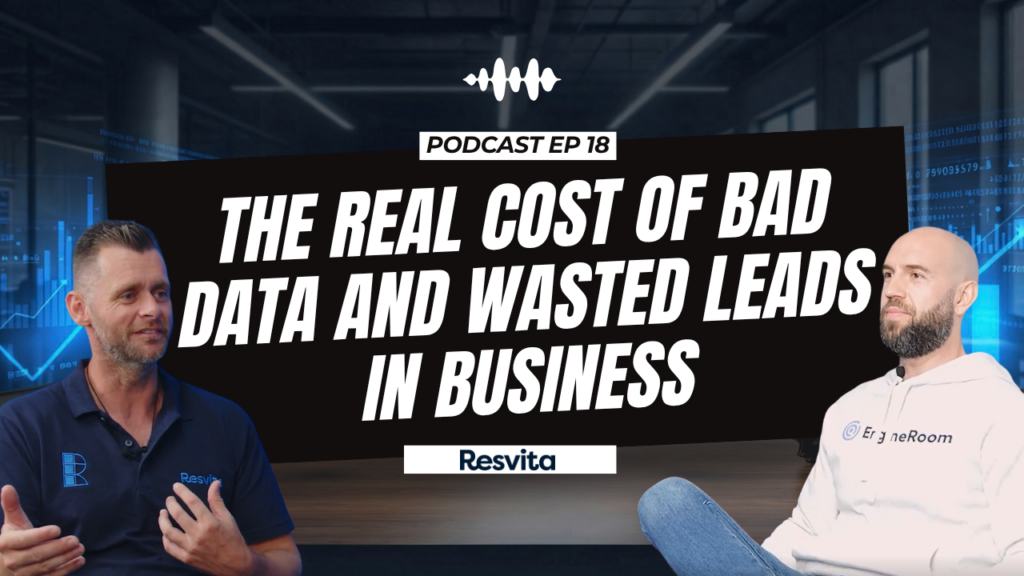
In this podcast episode, Josh sits down with Lawrence from EngineRoom to discuss why rising customer acquisition costs mean trade businesses must improve their marketing, sales processes, and data tracking. Their message is simple: before spending more on marketing, make sure you’re maximising the opportunities you’ve already paid for.
If you’d like to explore this topic in more detail, listen to the full podcast episode where we discuss customer acquisition, marketing ROI, lead tracking, and the systems trade businesses need to turn more enquiries into paying customers. Meanwhile, you can listen to more episodes here.. Listen to more episodes here
Customer Acquisition Is Becoming More Expensive
Competition for customers has never been higher.
Digital marketing is more accessible than ever, and AI tools make it easier for businesses to launch websites, create advertising campaigns, and publish content. While that’s good for business owners, it also means more companies are competing for the same customers.
As competition increases, so does the cost of acquiring new customers.
Rather than simply increasing your marketing budget, it’s more important to understand what your existing investment is delivering. Every marketing dollar should contribute to measurable business growth.
Stop Measuring Marketing That Doesn’t Drive Revenue
Clicks, impressions, and website traffic can be useful indicators, but they don’t tell the full story.
Instead, businesses should track the complete customer journey, including:
- Where each enquiry came from
- The cost of generating each lead
- How quickly the team responded
- What happened during the sales conversation
- Whether the lead became a customer
- The revenue generated from each customer
Tracking these metrics allows business owners to make informed decisions instead of relying on assumptions. Better data leads to better marketing decisions.
Bad Data Leads to Expensive Mistakes
Without accurate tracking, it’s almost impossible to know where your marketing budget should go.
Many businesses continue investing in campaigns that produce low-quality leads simply because they lack the data to identify what’s actually working.
On the other hand, some businesses generate plenty of enquiries but struggle to convert them into customers.
In these cases, increasing the advertising budget only creates more opportunities to lose leads if the sales process hasn’t been improved.
Your Leads May Not Be the Problem
It’s easy to blame poor lead quality when sales slow down.
However, the real issue often lies in what happens after someone makes an enquiry.
Consider these questions:
- Did someone contact the lead promptly?
- Was the sales conversation structured and consistent?
- Was there an effective follow-up process?
- Did anyone continue nurturing prospects who weren’t ready to buy?
Every missed step reduces your conversion rate.
Instead of asking, “How do we generate more leads?”, ask:
“Where are we losing the leads we’ve already paid for?”
That question often reveals the biggest opportunities for growth.
Three Systems That Improve Marketing ROI
1. Marketing Planning
Marketing should support your overall business goals.
Rather than setting an advertising budget based on guesswork, work backwards from your revenue targets and determine how many leads and customers are required to achieve them.
When marketing aligns with commercial objectives, every dollar becomes easier to justify.
2. Sales Conversations
Generating a lead is only the first step.
Response time, call quality, qualification, and follow-up all influence whether an enquiry becomes a paying customer.
Recording and reviewing sales calls can uncover weaknesses that reports alone can’t identify. Small improvements in conversations often deliver significant gains in conversion rates.
3. Attribution and Tracking
You need visibility from the first enquiry through to completed work.
When attribution is accurate, you can clearly identify:
- Which marketing channels generate profitable customers
- Which campaigns waste money
- Where opportunities are being lost
With reliable data, marketing becomes a measurable investment instead of an unpredictable expense.
Think Beyond the First Sale
A customer’s value doesn’t end after their first job.
Excellent service creates opportunities for:
- Repeat work
- Referrals
- Positive online reviews
- Increased customer lifetime value
- Stronger brand reputation
As customer lifetime value increases, businesses can invest more confidently in acquiring new customers while remaining profitable.
This creates a sustainable growth cycle where marketing generates opportunities, sales converts them, and exceptional service increases long-term value.
Five Actions You Can Take This Week
If you’re looking to improve your marketing performance, start with these practical steps:
- Track every enquiry and record where it originated.
- Review sales calls to identify missed opportunities.
- Measure cost per acquisition—not just cost per lead.
- Reduce your response time to new enquiries.
- Implement a consistent follow-up process for prospects who aren’t ready to buy immediately.
These simple improvements can dramatically increase the return on your existing marketing investment.
Final Thoughts
As customer acquisition becomes more competitive, generating more leads isn’t always the answer.
Trade business owners should focus on getting more value from every enquiry by improving their data, sales processes, attribution, and follow-up systems.
Before increasing your marketing spend, ask yourself one important question:
Are you making the most of the leads you already have?
The answer could save thousands of dollars while driving more profitable growth.
Join our upcoming event and gain practical strategies you can implement immediately in your business. Connect with industry leaders, learn from real-world experiences, and discover how leadership and culture can drive sustainable growth.
Secure your spot at our next event today.
Frequently Asked Questions
Why is bad marketing data expensive?
Poor marketing data makes it difficult to identify which campaigns generate profitable customers. As a result, businesses often continue investing in activities that don’t produce a positive return.
Which marketing metrics should trade businesses track?
Focus on lead source, cost per lead, cost per acquisition, conversion rate, response time, sales outcomes, and customer lifetime value. Together, these metrics provide a complete picture of marketing performance.
Why do businesses waste good leads?
Many leads are lost because of slow response times, inconsistent sales conversations, poor follow-up, or limited tracking—not because the lead quality was poor.
What is speed to lead?
Speed to lead measures how quickly your business responds after receiving an enquiry. Faster responses generally improve the likelihood of converting prospects into customers.
Why should businesses record sales calls?
Reviewing sales conversations helps identify opportunities to improve communication, qualification, objection handling, and follow-up, leading to stronger conversion rates.
What is marketing attribution?
Marketing attribution identifies which marketing channels generated each lead and customer, allowing businesses to invest more confidently in the activities producing the best return.
Is generating more leads always the answer?
Not necessarily. If your sales process isn’t converting existing enquiries, increasing lead volume often increases wasted opportunities instead of revenue.
Why is customer lifetime value important?
Customers who return, leave reviews, and refer others generate significantly more value over time. A higher lifetime value also allows businesses to invest more in acquiring new customers while remaining profitable.
Discover strategies to improve profitability, customer retention, and operational efficiency.