Most trade business owners assume growth comes from generating more leads.
More enquiries. More quotes. More jobs.
But what happens when you’re already spending money on marketing and your profits aren’t increasing?
The phone rings. Customers enquire. Jobs get completed. Yet, somehow, the money coming into the business doesn’t reflect the time, effort and marketing spend involved.
In many cases, the problem isn’t a lack of customers.
It’s wasted leads and missed opportunities throughout the customer journey.
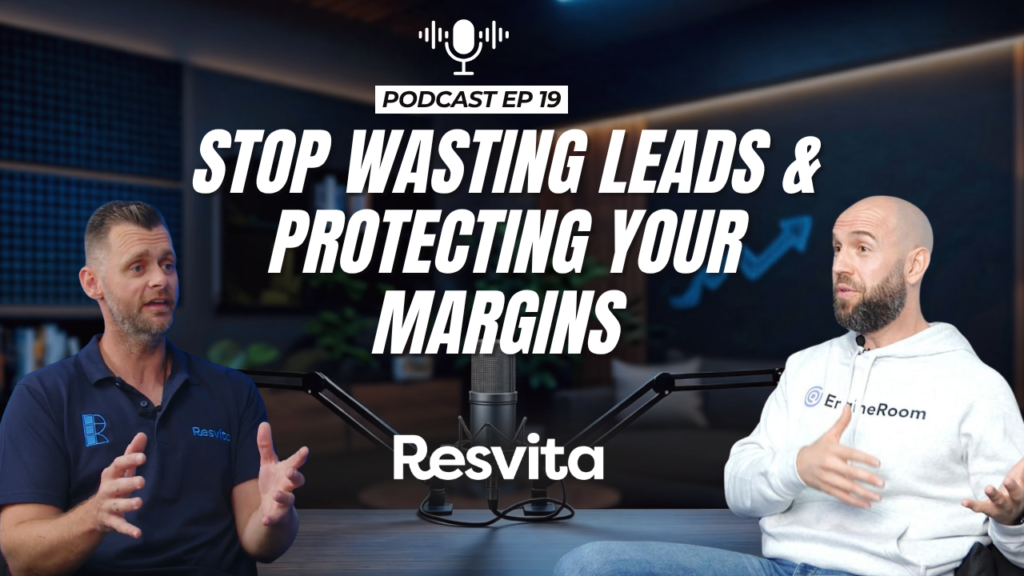
In this episode of the Handle It Podcast, we explore how trade businesses can stop wasting leads, improve customer retention and protect profit margins through smarter marketing and stronger business systems.
Because profitable growth isn’t simply about acquiring more customers.
It’s about creating more value from every customer relationship.
If you’d like to explore this topic in more detail, listen to the full Handle It Podcast episode where we discuss how trade businesses can stop wasting leads, improve follow-up, increase customer lifetime value, and protect profit margins. We’ll look at the systems and strategies that help turn more enquiries into profitable customers — without simply spending more on marketing. Meanwhile, you can listen to more episodes here. Listen to more episodes here
Why More Leads Don’t Always Mean More Profit
Customer acquisition is becoming increasingly competitive.
As more trade businesses invest in digital marketing, attracting new customers can become more expensive. Consequently, businesses that focus only on generating more enquiries can end up spending more without seeing a meaningful increase in profit.
Many business owners therefore focus on reducing their cost per lead.
However, cheaper leads aren’t necessarily better leads.
A low-cost enquiry that never becomes a customer has very little value. On the other hand, a more expensive lead could become a profitable customer who returns for additional work and refers other people to your business.
So, instead of asking:
“How cheaply can we generate leads?”
A better question is:
“How much profitable revenue does each customer generate?”
That shift in thinking can completely change how you approach marketing.
Explore Resvita: Discover practical business resources, blueprints and strategies to help trade business owners improve systems, win better work and protect profit margins.
Where Trade Businesses Lose Valuable Leads
Wasted leads don’t always disappear because of poor advertising.
In fact, opportunities can be lost at almost every stage of the customer journey.
For example, a potential customer might visit your website but leave because they can’t find enough information about your services. Another person might enquire but never receive a follow-up. Someone else might complete a job with you and never hear from your business again.
Each situation represents a missed opportunity.
Common causes of wasted leads include:
- Unclear pricing or service information
- Poor lead qualification
- Slow or inconsistent follow-up
- Weak sales processes
- No customer retention strategy
- Limited tracking of customer acquisition costs
- No measurement of customer lifetime value
Without the right systems in place, businesses can spend heavily to attract customers while failing to maximise the value of the customers they already have.
Use Your Website to Attract Better Leads
One of the simplest ways to reduce wasted leads is to make your website clearer.
Many trade businesses hesitate to provide pricing information online. However, potential customers increasingly want to understand what a service involves and what they can expect before making contact.
Your website should do more than showcase completed projects.
It should help potential customers decide whether your business is right for them.
Build Trust Before the First Enquiry
Consider including:
- Clear explanations of your services
- Information about how your pricing works
- Recent project case studies
- Customer reviews and testimonials
- Common questions and answers
- Examples of completed work
- Information about what customers can expect from the process
As a result, potential customers can make a more informed decision before contacting you.
This can reduce unsuitable enquiries while attracting people who understand your services and see the value you provide.
Move From Customer Acquisition to Customer Lifetime Value
Winning the first job is important.
However, the first transaction shouldn’t be the end of the relationship.
A customer who hires your business once could potentially buy from you several more times. They may also recommend you to friends, family members, neighbours or other businesses.
For example, a renovation customer might initially hire you for a bathroom project. Later, they could need a kitchen renovation, carport or second bathroom.
Similarly, plumbing and HVAC businesses can create repeat revenue through maintenance, inspections and additional services.
That’s why customer lifetime value is such an important profitability metric.
Instead of looking only at the first invoice, consider the total revenue and gross profit a customer generates over time.
This gives you a clearer picture of how much you can reasonably invest in acquiring new customers.
Customer Retention Can Protect Your Profit Margins
Customer retention is often overlooked.
Trade business owners are busy thinking about the next job, the next quote and the next lead. However, existing customers can be one of the most valuable sources of future revenue.
A simple retention system can help you stay connected and create opportunities for repeat work and referrals.
1. Follow Up After Every Job
One example discussed in the podcast is a fencing business that schedules a follow-up inspection 30 days after installation.
This creates an opportunity to check that everything is working as expected, resolve small issues and strengthen the customer relationship.
More importantly, it keeps the business connected to the customer after the initial sale.
2. Automate Customer Communication
Your job management system may already contain valuable customer information.
Therefore, you can use automated emails, SMS messages and reminders to maintain those relationships.
For example, a plumbing business could send a maintenance reminder several months after completing work. A trade business could also follow up with customers when equipment, materials or services may require inspection or maintenance.
These simple reminders can turn a one-off job into an ongoing customer relationship.
3. Ask for Referrals
Happy customers don’t always think to recommend your business.
So, don’t be afraid to ask.
After successfully completing a job, your team can casually ask whether the customer knows anyone else who might need similar work.
When done naturally, referral requests can create additional opportunities without requiring another advertising campaign.
Read More: Explore related Resvita articles on getting more work, financial excellence, risk and reward, and AI marketing for trade businesses.
Better Lead Management Means Better Marketing Decisions
Reducing wasted leads isn’t only about improving sales.
It can also make your marketing decisions much more accurate.
For example, suppose one marketing channel generates 100 enquiries but only five profitable customers. Another channel generates 30 enquiries but produces ten profitable customers who return for additional work.
If you only measure the number of leads, the first channel appears to be better.
If you measure profitable customers and customer lifetime value, the picture changes completely.
That’s why trade businesses should track metrics such as:
- Cost per lead
- Lead-to-customer conversion rate
- Customer acquisition cost
- Average job value
- Gross profit per customer
- Repeat purchase rate
- Customer lifetime value
- Referral rate
These numbers help you understand where your marketing money is actually creating value.
The Benefits of Reducing Wasted Leads
When trade businesses improve both lead management and customer retention, several benefits can follow.
Stronger Profit Margins
First, reducing wasted marketing spend can improve the return on your existing budget.
Higher Customer Lifetime Value
Next, repeat purchases increase the value of relationships you’ve already paid to acquire.
Better Marketing Decisions
Additionally, tracking acquisition costs and customer lifetime value helps you identify which marketing channels are genuinely profitable.
More Predictable Growth
Finally, consistent follow-up and retention systems reduce the pressure to constantly find new customers.
Together, these improvements create a more scalable business.
Five Things You Can Do This Week
You don’t necessarily need to double your marketing budget to improve profitability.
Instead, start by improving the opportunities you already have.
1. Review Your Website
Make your services, pricing structure and customer expectations easier to understand.
2. Track Customer Acquisition Costs
Calculate how much you’re spending to generate a new customer, not just an enquiry.
3. Measure Repeat Business
Look at how much revenue existing customers generate after their first job.
4. Create a Follow-Up System
Schedule customer communication after every completed project.
5. Build a Customer Retention Budget
Set aside time and resources for maintaining relationships with valuable customers.
Small improvements can compound over time.
Final Thoughts: Stop Wasting Leads
Many trade business owners believe that scaling means spending more money on marketing.
However, sustainable growth often starts by improving what you already have.
Stop wasting leads. Qualify customers more effectively. Communicate clearly. Follow up consistently. Retain existing customers. Track the numbers that matter.
When you do this, you can create more value from the marketing you’re already paying for while protecting your profit margins.
The goal isn’t simply to generate more leads.
It’s to build a trade business that gets more value from every opportunity.
If this topic speaks to you, listen to the full Handle It Podcast episode and explore Resvita’s business blueprints and resources for more practical strategies.
Frequently Asked Questions
Why do trade businesses waste leads?
Trade businesses often lose leads because of unclear pricing, poor qualification, slow follow-up and weak sales systems. In addition, customers can be lost after the initial job when there is no retention or communication strategy.
How can trade business owners stop wasting leads?
Start by improving lead qualification, making your website clearer, tracking customer acquisition costs and creating a consistent follow-up process. Customer retention strategies can also help you generate more value from existing relationships.
Why are customer acquisition costs important?
Customer acquisition cost shows how much your business spends to win a new customer. By comparing acquisition costs with revenue, gross profit and customer lifetime value, you can determine whether your marketing is actually profitable.
What is customer lifetime value?
Customer lifetime value is the total value a customer generates for your business over the entire relationship. It can include the first job, repeat purchases, maintenance work, additional services and referrals.
How does customer retention improve profit margins?
Customer retention can generate repeat work and referrals without requiring the same level of acquisition spending as finding a completely new customer. Therefore, increasing retention can improve the return on your existing customer relationships.
Why should trade businesses include pricing information on their websites?
Clear pricing information helps potential customers understand what to expect before contacting your business. As a result, it can reduce unsuitable enquiries and attract better-qualified prospects.
What are the signs of wasted marketing spend?
Common signs include receiving many enquiries but few customers, not knowing your customer acquisition cost, inconsistent follow-up, little repeat business and being unable to identify which marketing channels produce profitable customers.
How can automation improve customer retention?
Automated emails, SMS messages and reminders help businesses stay connected with customers after a job is completed. For example, maintenance reminders can encourage repeat services while improving the overall customer experience.
Why are referrals important for trade businesses?
Referrals can generate new opportunities through existing customer relationships. Asking satisfied customers for recommendations helps keep your business top of mind when someone in their network needs similar services.
What is the long-term benefit of better lead management and customer retention?
Better lead management and retention can improve marketing ROI, increase customer lifetime value and protect profit margins. Over time, these systems can help create a more predictable, profitable and scalable trade business.